Insulation keeps heat in. That is the point. But the same air-tight, warmer house can also hold on to moisture, and that is where condensation and damp problems start. This guide covers what SEAI says about ventilation so you can ask your installer the right questions before the work begins.
Why insulation and ventilation go together
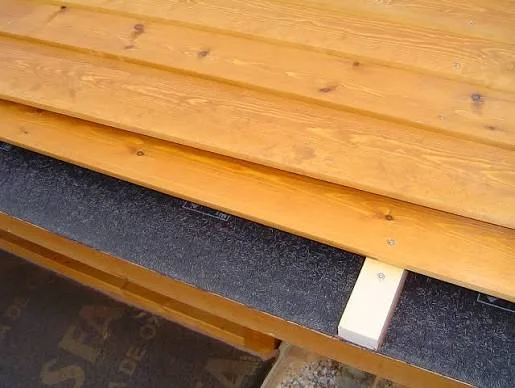
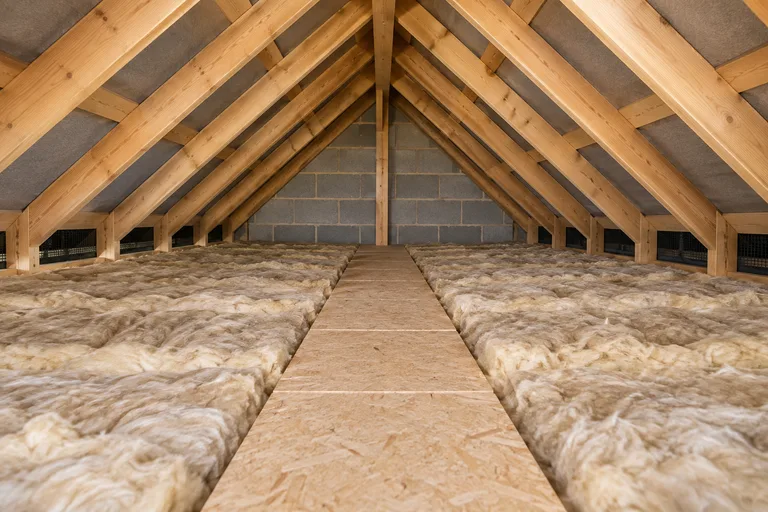
According to SEAI’s homeowner guide, ventilation does several jobs: it supplies fresh air, reduces pollutants, helps limit radon accumulation and carbon monoxide risk, supplies air to fuel-burning appliances, and minimises condensation. Warm indoor air holds more water vapour, and that vapour can move into the attic and condense on cold roof timbers.
SEAI’s 2018 notice on mechanical extract ventilation makes the link to insulation explicit: wall insulation reduces heat loss and raises indoor temperatures, which can make moisture problems more likely if ventilation is inadequate. So the extra warmth is welcome, but it needs somewhere to send the moisture.
The types of ventilation in your house
SEAI’s guide describes these:
- Background ventilation: a closable vent in a wall or window, such as the grille above a window frame. It can be natural or mechanical (including whole-house or single-room heat recovery).
- Permanent ventilation: a vent fixed open, required for open-flued appliances.
- Extract ventilation: quickly removes water vapour and pollutants from wet rooms.
- Purge ventilation: a large opening such as a window, for short-term air changes, for example while painting.
Wet rooms: fans matter most
The place where moisture is made is the place to remove it. SEAI says all wet rooms should have a mechanical extract fan, and that a fan in a wet room without a background vent or openable window should have an automatic 15-minute overrun, so it keeps clearing the air after you leave.
The wall insulation ventilation notice
If you are having wall insulation fitted under the Better Energy Homes programme and your wet rooms have no mechanical extract ventilation, SEAI’s notice says the installer must discuss the options with you before installation starts. You and the installer then sign the form, which records your decision. SEAI says to keep the signed form with your ventilation documents, because it may be needed for SEAI inspection, future maintenance or later occupants.
Do not treat it as paperwork. It is your chance to ask what fans you need, where they go and who installs them. Our wall insulation cost and grant guide explains how the grant process works.
Stoves, fires and permanent vents
Burning fuel needs air. SEAI says open-flued appliances need a permanent vent, while room-sealed appliances with their own air duct do not. Never block a vent that serves a stove or fire. If you are unsure what your appliance needs, ask a registered installer.
Should you consider heat recovery ventilation?
SEAI says mechanical whole-house heat recovery can be more energy efficient than natural ventilation, gives you more control and limits heat loss. The trade-off is that it is usually more expensive to install. For many retrofits, getting wet-room extract fans right comes first, and a heat recovery system is a bigger decision to assess with a professional.
Before you insulate
- Ask the installer what ventilation your home has now and what it needs.
- Check every bathroom, kitchen and utility room for a working extract fan.
- Keep the signed ventilation form if you are asked to complete one.
- After the work, watch for condensation on windows and cold corners, and raise it with your installer early.
After upgrades, your BER rating may improve too. See what is a good BER rating. This article is general information, not professional building advice.